


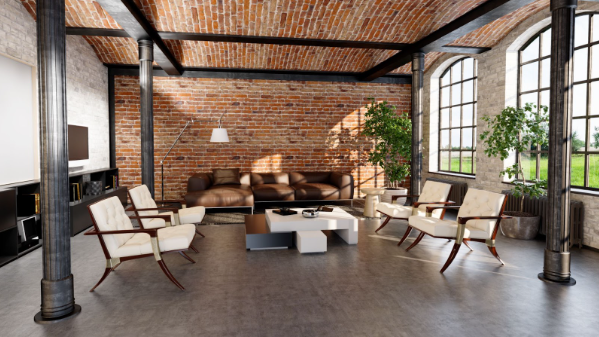
Renovating historical buildings for corporate use is an increasingly popular strategy among companies looking to blend heritage, branding, and functionality. This method promotes urban renewal while providing a distinctive architectural identity. However, there are several architectural and regulatory issues when combining historic buildings with contemporary workplace requirements. A targeted approach is then necessary for companies considering an office renovation on historic architecture.
Balancing Heritage Preservation with Office Functionality
The first priority in repurposing heritage sites is ensuring compliance with conservation regulations. Planners, architects, and contractors must work within tight parameters when modifying listed buildings. Altering façades, structural walls, or original materials often requires approval from local heritage authorities. While this may limit design freedom, a smart approach to interior design can achieve modern efficiency without disrupting protected elements. Designers often work around existing features by integrating modular furniture, internal glazing systems, and raised flooring to run modern cabling without disturbing historical surfaces. This approach respects the building’s legacy while delivering a fully functional office space.
Modern Systems Integration and Infrastructure Limitations
Unlike purpose-built offices, historical buildings often lack adequate provisions for HVAC, data cabling, and load-bearing requirements. Office retrofitting projects in such environments must start with a detailed structural survey. Engineers must evaluate how to discreetly introduce modern services such as underfloor air distribution or wall-mounted HVAC units that avoid interfering with heritage fabric. Acoustic treatment is another consideration, as older buildings tend to amplify sound due to solid walls and high ceilings. Designers must incorporate sound-absorbing materials—panels, carpets, or ceiling treatments—while ensuring these additions are reversible and compliant with heritage restrictions. Integration of modern lighting is also key, often requiring track or spotlight systems that preserve ceiling detailing.
Space Planning and Workflow Efficiency
Heritage buildings typically include unique layouts—narrow corridors, varying ceiling heights, and multi-level structures. This irregularity can impact open-plan design strategies. A successful interior design for company operations in such spaces should begin with a space utilisation study. This study ensures departments are placed logically within the building’s existing framework. Where possible, open-plan areas should be created without demolishing walls—achieved through transparent partitions or converting large rooms into shared workspaces. Staircases and circulation paths must also be reassessed to comply with accessibility standards, sometimes requiring lifts or ramps, which can be discreetly integrated into non-intrusive areas of the structure.
Sustainability and Energy Performance Upgrades
Most historical buildings are not energy efficient. A primary challenge in a renovation of this kind is upgrading thermal performance without compromising the façade or interiors. Secondary glazing is often used in place of double-glazing to preserve original windows. Internal wall insulation, combined with energy-efficient lighting and heating controls, can dramatically improve energy ratings. Where permitted, solar panels may be installed on concealed roof areas to offset energy use. Sustainable office retrofitting should also consider the use of reclaimed or recycled materials that match the building’s original character. This approach ensures environmental goals align with aesthetic consistency.
Branding Through Architectural Identity
Occupying a historical building can support corporate branding by aligning the company with values such as longevity, tradition, or cultural significance. Many companies in the legal, finance, or creative industries choose such properties to create a distinct client-facing experience. The right interior design branding must subtly reference the building’s character without becoming theme-oriented. Integrating the company’s identity through materials, colour schemes, and minimalist signage can enhance professionalism while allowing the building to speak for itself. Boardrooms, reception areas, and breakout spaces offer opportunities to highlight architectural details such as exposed beams, original flooring, or stonework.
Conclusion
Renovating a historic structure for business purposes is a challenging but worthwhile endeavour. The process necessitates meticulous planning, adherence to preservation regulations, and innovative design thinking to blend contemporary needs with architectural legacy. Businesses can successfully turn these locations into high-performing workspaces that combine history and functionality with the correct approach. Whether the focus is on cultural alignment, sustainability, or unique branding, office renovation in a heritage setting also necessitates an experienced team aware of the subtleties of design, regulation, and long-term workplace strategy.
Contact OSCA and let us assist you as you begin your office transformation.
