


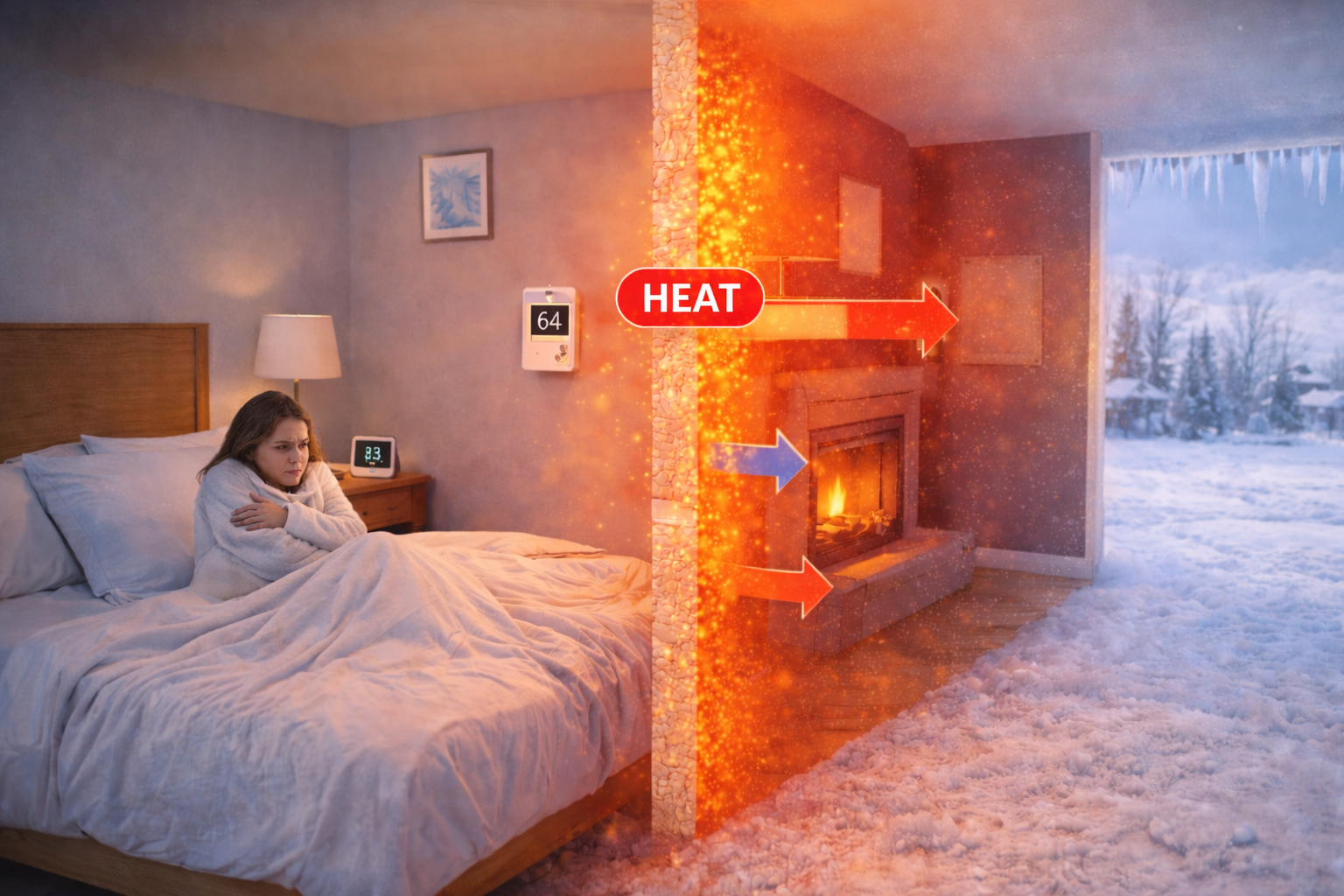
A heater that runs continuously but fails to keep your home comfortable can be frustrating, especially during cold weather. The problem may involve restricted airflow, thermostat settings, poor insulation or a heating system that needs attention.
Understanding why certain rooms remain cold can help you identify simple issues and determine when professional heating repair in Hunterdon County, NJ may be necessary. Addressing the underlying cause can improve comfort and help prevent unnecessary strain on your heating system.
Why Some Rooms Stay Cold While the Heater Runs
A heating system does not always distribute warmth evenly throughout a home. Differences in room size, insulation, airflow and equipment condition can affect indoor temperatures. If one room feels comfortable while another remains chilly, the issue may be related to heat distribution rather than a complete system failure.
Pay attention to whether the problem affects one room, several rooms or the entire house. Cold spots near windows may suggest drafts, while rooms far from the furnace may experience inadequate airflow. Identifying the pattern provides useful information when troubleshooting.
Common Reasons Your Home Has Cold Rooms
Blocked or Restricted Airflow
Forced-air heating systems rely on ducts and vents to deliver warm air throughout the home. Furniture covering supply vents, closed registers or dirty air filters can restrict airflow and reduce the amount of heat reaching certain rooms.
Check that vents are open and unobstructed. If the filter is dirty, replace it according to the manufacturer’s recommendations. However, persistent airflow problems may indicate duct restrictions, leaks or another issue that requires professional inspection.
Thermostat Placement and Settings
A thermostat measures temperature in the area where it is installed. If it sits near a heat-producing appliance, in direct sunlight or close to a draft, its readings may not reflect conditions elsewhere in the house.
Check that the thermostat is set to the desired heating mode and temperature. If it uses batteries, replace them when needed. A thermostat located in a consistently warm area may cause the system to stop heating before distant rooms reach a comfortable temperature.
Poor Insulation and Air Leaks
Heat escapes through poorly insulated walls, attics, floors and windows. Small gaps around doors, window frames and other openings can also allow cold air inside, making certain rooms difficult to warm.
Rooms above garages, near exterior walls or beneath poorly insulated attics may be particularly affected. Sealing suitable gaps and improving insulation can help retain heat. For persistent problems, a home energy assessment can identify areas where heat loss is greatest.
Leaking or Poorly Balanced Ductwork
Ducts carry heated air from the system to different parts of a house. Leaks, disconnected sections or inadequate duct sizing can prevent enough warm air from reaching some rooms.
An imbalanced duct system may also send more air to certain areas than others. If opening vents and replacing the filter do not improve comfort, an HVAC technician can inspect the ductwork and assess airflow throughout the home.
When the Heating System May Need Repair
Sometimes cold rooms indicate a problem with the heating equipment itself. A furnace may have a failing component, a heat pump may struggle to deliver sufficient heat, or a boiler may have circulation problems. The likely cause depends on the type of system installed.
Watch for warning signs such as unusual noises, repeated shutdowns, weak airflow, unexpected increases in energy use or a heater that runs much longer than usual without reaching the thermostat setting. These symptoms do not identify a specific fault on their own, but they can help a technician narrow down the cause.
If basic checks do not resolve the issue, arranging heating repair in Hunterdon County, NJ can help determine whether the problem involves the equipment, controls, ductwork or another part of the heating system.
Practical Steps to Improve Heat Distribution
Before assuming your heater needs major repairs, check a few straightforward factors. These steps can help identify common causes without requiring you to open or dismantle equipment.
● Check the air filter: Replace it if it is dirty, following the system manufacturer’s instructions.
● Inspect vents and registers: Remove furniture, rugs and other obstructions that block airflow.
● Review thermostat settings: Confirm the heating mode, temperature setting and programmed schedule.
● Check doors and windows: Look for noticeable drafts and seal suitable gaps where practical.
● Compare room temperatures: Note which areas remain cold and whether the problem occurs at particular times.
● Schedule routine maintenance: Have the system inspected periodically to identify developing issues and maintain reliable operation.
Avoid adjusting internal components or attempting electrical, gas or combustion-related repairs yourself. These tasks should be handled by qualified professionals.
How Maintenance Helps Prevent Uneven Heating
Regular maintenance can help identify problems before they lead to greater discomfort. Depending on the system, a technician may inspect components, check airflow, assess controls and look for signs of wear or other faults.
Maintenance is particularly useful before the heating season begins. Dirty components, neglected filters and developing mechanical issues can affect performance, although maintenance alone cannot correct every insulation or ductwork problem.
If certain rooms repeatedly remain cold despite routine care, ask for a broader assessment of heat distribution. The solution may involve duct adjustments, insulation improvements, thermostat changes or repairs rather than replacing the entire heating system.
When to Call a Heating Professional
Professional help is appropriate when the heater cannot maintain the desired temperature, the same rooms remain cold despite basic troubleshooting or the system develops unusual operating symptoms. A technician can assess the equipment and determine whether repair, maintenance or improvements to the home’s heat distribution are needed.
Safety concerns require particular attention. If you smell gas, leave the building and contact your gas utility or emergency services from a safe location. If a carbon monoxide alarm sounds, get everyone outside and contact emergency services. Do not continue operating equipment that may be unsafe.
FAQs
Q.1 Why is one room colder than the rest of the house?
Restricted vents, ductwork problems, drafts, poor insulation or thermostat placement can cause uneven temperatures. Checking airflow and identifying where heat escapes can help narrow down the cause.
Q.2 Can a dirty furnace filter make rooms colder?
Yes. A clogged filter can restrict airflow and reduce heat delivery. Check it regularly and replace it according to the manufacturer’s instructions.
Q.3 Why does my heater run constantly without warming the house?
Possible causes include significant heat loss, restricted airflow, incorrect thermostat readings or an undersized or malfunctioning system. A professional inspection can help identify the reason.
Q.4 Can insulation improvements help rooms stay warmer?
Yes. Proper insulation and air sealing can reduce heat loss and drafts. However, airflow or equipment problems may also need attention.
Q.5 When should I schedule heating repair?
Arrange professional service if basic checks do not resolve the problem, the heater repeatedly shuts down, unusual noises develop or indoor temperatures remain consistently uncomfortable.
Closing Thoughts
Cold rooms despite a running heater can result from restricted airflow, thermostat issues, heat loss or equipment faults. Checking filters, vents and drafts is a sensible first step, but recurring problems may require a professional assessment.
Keep track of which rooms remain cold and any unusual changes in system operation. If simple adjustments do not restore comfort, have the heating system inspected to identify the cause and determine the appropriate next step.