


Cooking at home brings comfort, creativity, and delicious meals, but it can also fill a kitchen with smoke, grease, steam, and lingering food odors. Frying crispy potatoes, grilling meat, or preparing spicy dishes can quickly affect the air quality, especially in small kitchens with limited ventilation. While traditional ventilation systems are useful, installing one is not always practical for renters, apartment dwellers, or people who want a flexible cooking setup.
This is where a portable range hood offers a convenient alternative. Designed to provide ventilation without requiring a permanent installation in many cases, this compact appliance can help manage cooking fumes while keeping the kitchen more comfortable. It combines practicality with modern convenience, making it an attractive option for people who want cleaner air without undertaking a major renovation.
Whether you live in a small apartment, enjoy cooking in an RV, or simply need extra ventilation for a particular cooking area, understanding how portable ventilation works can help you choose the right solution for your home.
What Is a Portable Range Hood?
A portable range hood is a compact ventilation appliance designed to capture or filter some of the smoke, grease, and odors produced during cooking. Unlike conventional overhead models that are typically mounted above a stove, portable units can often be placed on a countertop or positioned near the cooking area according to the manufacturer’s instructions.
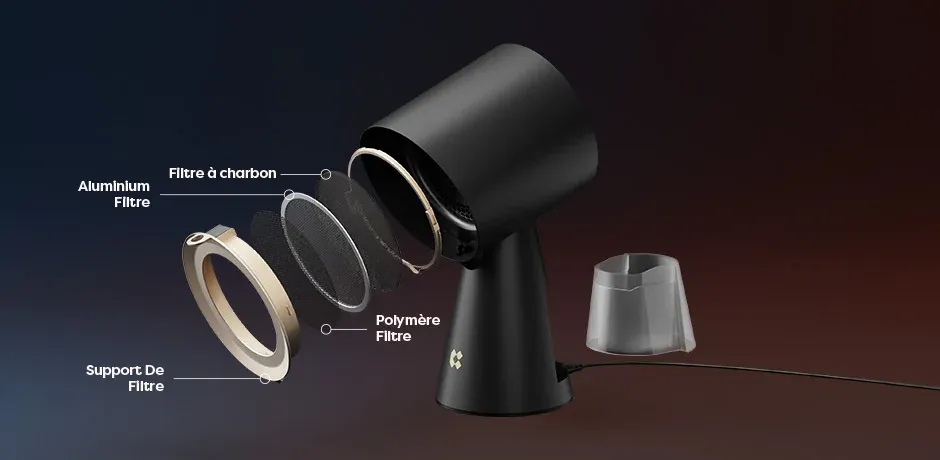
Many models feature built-in fans, grease filters, and odor-reducing filters. Some use activated carbon to help reduce cooking smells, while others rely on different filtration technologies to improve their performance. Certain designs offer adjustable fan speeds, touch controls, or flexible positioning for added convenience.
One of the biggest advantages is flexibility. Instead of committing to a permanent fixture, users can choose a ventilation solution that suits their available space and cooking habits. However, portable models differ considerably, so checking their actual filtration capabilities is essential before purchasing.
Why Portable Ventilation Is Becoming More Popular
Modern kitchens come in many shapes and sizes. Not everyone has a large cooking area, a dedicated ventilation duct, or permission to make structural changes. As a result, compact appliances that offer useful functionality without complicated installation are increasingly appealing.
1. An Excellent Option for Small Kitchens
Limited counter space can make a small kitchen feel crowded, particularly when several appliances compete for room. A compact ventilation unit provides an alternative to bulky overhead equipment and may be easier to position in a suitable location.
For studio apartments, tiny homes, and compact cooking spaces, this flexibility can make everyday meal preparation more comfortable. A well-designed unit can also complement a modern kitchen without dominating its appearance.
2. Convenient for Renters
Renters often face restrictions on drilling walls, modifying cabinets, or installing ductwork. A portable model may provide a practical solution because many versions require little or no permanent installation.
Before choosing one, however, check the rental agreement, electrical requirements, and manufacturer’s placement instructions. A portable appliance still needs safe clearance from burners, hot surfaces, and open flames.
3. Easy to Move and Store
Unlike permanently installed ventilation equipment, some portable models can be relocated when needed. This is useful for people who cook in different areas or want to reclaim counter space after preparing a meal.
Lightweight designs can also be convenient for RV trips, temporary kitchens, and certain outdoor cooking arrangements where the appliance is specifically rated for the environment. Always follow the product’s intended-use instructions.
How Does a Portable Range Hood Work?
The working principle depends on the model, but most portable units use a fan to draw cooking emissions toward a filtration system. As air passes through the filters, some airborne grease particles and odors can be captured or reduced.
Grease filters help collect oily particles released during frying and sautéing. Activated-carbon filters can help absorb certain odors, although their effectiveness depends on filter quality, airflow, and maintenance. Some appliances combine several filtration stages to improve overall performance.
Many portable models recirculate filtered air back into the room rather than sending it outside. This distinction matters because filtering air is not the same as removing it from the kitchen. Recirculating units generally do not remove moisture, heat, or combustion pollutants as effectively as a properly installed exhaust system that vents outdoors.
For households using gas cooktops, appropriate ventilation is especially important. A portable filter should not automatically be considered a replacement for effective outdoor exhaust or other safety measures recommended for the cooking appliance.
Important Features to Consider Before Buying
Choosing the right appliance involves more than selecting the smallest or most attractive design. A few practical features can make a significant difference in everyday use.
Airflow and Ventilation Performance
Look for clear information about the unit’s airflow capacity and intended cooking conditions. A stronger fan may help capture more emissions, but performance also depends on how close the appliance is to the cooking source and how efficiently its design directs air toward the filters.
If you regularly fry food or prepare smoky dishes, choose a model specifically designed to handle those cooking activities. Remember that advertised performance figures do not always reflect real-world capture efficiency.
Filter Quality
Filters are central to the appliance’s performance. Grease filters should be easy to remove and clean, while replaceable carbon filters should be readily available if odor reduction is important to you.
Check the manufacturer’s instructions for washing, replacement intervals, and compatible filter types. Neglected filters can reduce airflow and compromise performance.
Noise Level
A loud fan can quickly become irritating in a small kitchen, especially when you are cooking, talking with family, or watching television nearby.
Check the stated noise level, if available, and look for adjustable speeds. A lower setting may be suitable for light cooking, while a higher setting may be useful when more smoke or odors are produced.
Size and Placement
Measure the available counter space before purchasing. Consider the appliance’s width, height, power-cord placement, and distance from the stove.
The unit must be positioned according to the manufacturer’s clearance requirements. Never place an appliance where it can interfere with burners, obstruct cooking controls, or come into contact with flames.
Ease of Cleaning
Cooking grease gradually accumulates on filters and surrounding surfaces. Removable filters, accessible components, and smooth exterior finishes can make routine cleaning much easier.
A model that is simple to maintain is more likely to remain useful over time. Also consider the cost and availability of replacement filters before making your final decision.
Portable Models Compared With Traditional Ventilation
Traditional range hoods and portable units serve related purposes, but their capabilities are not identical.
A properly installed ducted hood draws cooking emissions outside, helping remove smoke, odors, heat, and moisture from the home. Its effectiveness depends on suitable airflow, correct installation, and proper positioning.
Portable recirculating units are generally easier to set up and may be more affordable initially. They can help reduce certain grease particles and odors, but they usually return filtered air to the same room.
For occasional light cooking, a portable appliance may offer useful additional filtration. For frequent high-heat cooking, heavy frying, or gas cooking, a properly designed and installed exhaust system is generally the more comprehensive option.
The best choice depends on your cooking habits, kitchen layout, ventilation requirements, and budget.
Tips for Getting Better Results
Even a well-designed portable ventilation appliance needs to be used correctly. A few simple habits can improve its usefulness.
First, position the unit as close to the cooking emissions as its instructions safely permit. Airflow can become less effective when the appliance is placed too far away from the source.
Second, switch it on before cooking begins when recommended by the manufacturer. Allowing the fan to run during food preparation and for a short period afterward may help manage lingering odors.
Third, clean grease filters regularly and replace carbon filters according to the manufacturer’s schedule. Dirty filters can restrict airflow and reduce odor-control performance.
You can also support better kitchen air quality by using appropriately sized cookware, avoiding unnecessarily high heat, and opening a window when outdoor conditions permit. When using a gas stove, follow the appliance manufacturer’s ventilation guidance and maintain suitable carbon-monoxide safety measures.
Finally, remember that no compact filter can eliminate every cooking pollutant. Use portable ventilation as part of a broader approach to keeping indoor air clean.
Who Should Consider a Portable Range Hood?
A portable model may be worth considering if you live in a rented apartment, have a small kitchen, cook occasionally, or need a flexible filtration option without a permanent installation.
It may also suit people who want extra odor control near a designated cooking station, provided the unit is appropriate for that setup. Those who regularly prepare meals involving substantial smoke or grease should pay particular attention to capture performance rather than choosing solely on price or appearance.
For people with demanding ventilation needs, a portable appliance may work best as a supplementary device rather than the primary solution.
Conclusion: Make Everyday Cooking More Comfortable
A thoughtfully selected portable ventilation appliance can bring flexibility, convenience, and useful odor and grease filtration to kitchens where permanent installation is difficult. By comparing airflow, filter quality, noise, maintenance requirements, and safe placement, you can find an option that fits your cooking routine and available space. Although portable designs cannot match every benefit of a properly installed outdoor exhaust system, they can still be a practical addition for suitable situations. Before making a purchase, assess your ventilation needs and choose a range hood solution that supports cleaner indoor air, safer cooking habits, and a more enjoyable kitchen experience.