


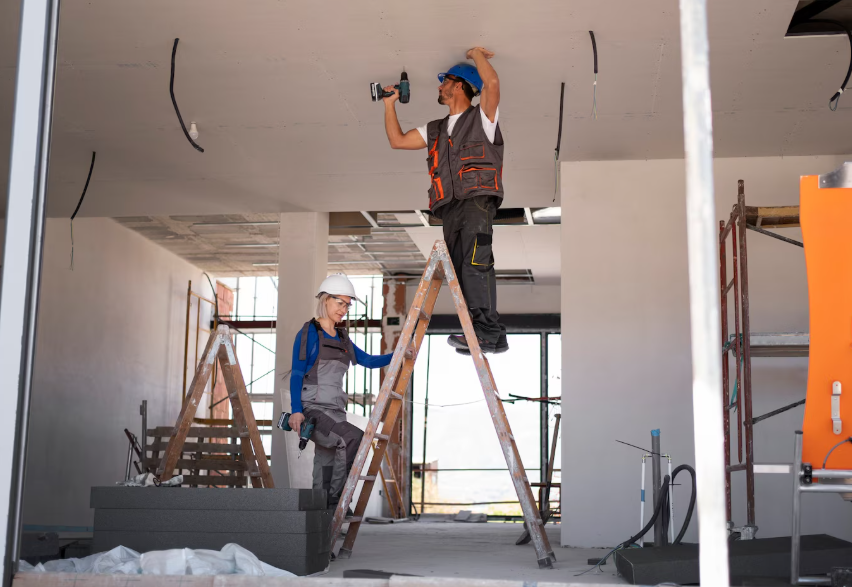
Renovating a home in Dubai or anywhere across the UAE is a significant undertaking that requires the same level of planning and professional oversight as new construction. Whether you are upgrading an aging villa in Jumeirah, restoring a townhouse in Sharjah, or modernizing an apartment in Abu Dhabi, the renovation process involves structural assessments, material selections, licensed contractors, and strict compliance with local municipality regulations. Many homeowners underestimate the complexity of full home renovation and begin without a proper plan, which leads to budget overruns, project delays, and substandard results. Understanding the complete renovation construction process from assessment to handover helps you manage expectations, control costs, and achieve a finished result that adds lasting value to your property.
Initial Assessment and Condition Survey
Before any renovation work begins, a thorough condition survey of the existing structure is essential. This assessment identifies structural weaknesses, outdated MEP systems, moisture damage, and areas that require demolition or reinforcement.
Hire a qualified structural engineer or building inspector to carry out this survey. In older UAE properties, common issues include corroded reinforcement in concrete elements, failed waterproofing membranes, outdated electrical wiring, and deteriorated plumbing.
Identifying these problems before work starts allows you to budget accurately and prioritize repairs that affect safety and structural integrity above cosmetic upgrades.
Renovation Planning and Permit Approvals
A detailed renovation plan must be prepared and submitted to the relevant UAE municipality before work begins. This applies to any renovation that involves structural changes, additions, or modifications to MEP systems. Working without approved permits exposes you to fines, forced removal of completed work, and complications when selling or leasing the property later.
Your architect should prepare drawings that reflect both the existing conditions and the proposed changes. These drawings are reviewed by the municipality and returned with either approval or comments requiring revision. Allow adequate time for this process, as permit approvals in Dubai and other emirates can take several weeks depending on the complexity of the project.
Demolition and Structural Work
Once permits are in hand, demolition begins. This phase involves removing finishes, fixtures, non-structural partitions, and any elements identified for replacement during the condition survey. Demolition must be carried out carefully to avoid damaging structural elements, existing MEP services, or neighboring properties.
Structural repairs and reinforcement work follow demolition. This may include concrete patching, steel replacement, column strengthening, or slab repairs depending on what the condition survey revealed. All structural work must be carried out under engineer supervision and inspected before new finishes are applied over it.
Covering structural deficiencies with new finishes without repairing them first is a mistake that shortens the life of the entire renovation.
MEP Upgrades and Replacements
Mechanical, electrical, and plumbing systems in older UAE properties often need partial or full replacement during renovation. Electrical panels, wiring, plumbing pipes, and HVAC ducting all have service lives that expire over time, particularly in the harsh UAE climate.
Upgrading MEP systems during renovation is far more cost-effective than doing it separately after finishes are complete. Licensed MEP contractors must carry out all installations and pass inspections before walls are closed. In Dubai, the relevant authority inspects MEP rough-ins at specific stages, and work cannot proceed without clearance at each milestone.
Waterproofing and Moisture Protection
Moisture damage is one of the most common and destructive problems found in UAE properties during renovation. Failed roof membranes, cracked bathroom waterproofing, and deteriorated facade sealants all allow water infiltration that causes internal damage over time.
Renovation is the ideal opportunity to address all moisture vulnerabilities comprehensively. Bathrooms, kitchens, roof slabs, balconies, and external walls should all be assessed and treated with appropriate waterproofing systems.
Professional Waterproofing Services applied during renovation protect your newly finished interiors from moisture damage and prevent the same problems from recurring after the project is complete.
Interior Finishes and Fit-Out
With structural repairs, MEP upgrades, and waterproofing complete, interior fit-out begins. This phase covers flooring, wall finishes, ceilings, cabinetry, sanitary ware, light fixtures, and all other interior elements that define the look and feel of the renovated space.
Material selection for UAE interiors should prioritize heat resistance, moisture tolerance, and durability. Porcelain tiles, moisture-resistant drywall, and UV-stable paint finishes all perform well in the local climate. Work with suppliers who stock materials certified for use in UAE construction to avoid premature failure of finishes in high-temperature or humid conditions.
Exterior Renovation and Facade Work
Exterior renovation in Dubai requires careful attention to facade waterproofing and thermal performance. Repainting, re-cladding, or replastering the exterior without addressing underlying moisture issues produces results that deteriorate quickly under the UAE’s intense sun and occasional heavy rain.
For complete exterior moisture protection, partnering with experienced Waterproofing Companies In UAE ensures that facade treatments, parapet walls, and roof edges are all sealed to a professional standard that withstands local weather conditions year after year.
Final Inspections and Project Handover
Before occupation, the renovated property must pass final inspections covering structural, MEP, and fire safety compliance. A completion certificate is issued once all inspections are cleared. Walk through the completed renovation with your contractor, document any deficiencies in writing, and establish a clear timeline for corrections before making final payment.
Renovate With a Plan and the Right Team
A successful home renovation in Dubai or the UAE comes down to thorough planning, licensed professionals, and quality materials suited to the local environment. Address structural and moisture issues first, upgrade MEP systems before closing walls, and never cut corners on waterproofing. The result will be a renovated home that performs reliably and retains its value for years to come.